

Space Savvy Secrets: Maximising Your Storage Unit with Smart Box Hacks

Archie Richards
Table of Contents
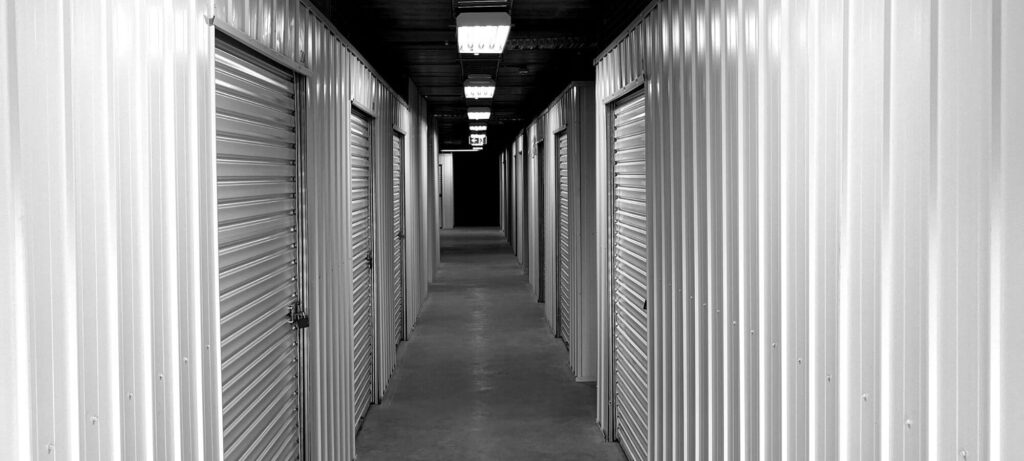
Moving house is tough enough without fighting to cram all your stuff into a storage unit. I remember after my third interstate move in five years, trying to squeeze our whole life into a tiny 5×5 unit. Even with all the furniture gone, I was sure it would burst at the seams! The clever packing systems, which I’d proudly perfected over the years, suddenly seemed useless.
As someone who’s rented in many types of living spaces, from apartments to student dorms to sharehouses, I’ve picked up more than a few space savvy tips and tricks over the years. Move over Marie Kondo! I’m ready to share my best storage unit hacks to start maximising every inch of your storage unit space. From customising boxes to smart storage, these storage solutions have helped me secure my belongings even when moving across the country. Let’s start packing boxes like a pro by reading on!
Things to Consider When Choosing a Storage Box
When packing your beloved things for storage, choosing the right box plays a crucial role in protecting cherished items. I remember a time when I tried to store my clothes in cardboard boxes in the garage. Unfortunately, a huge storm came and flooded our garage completely. My clothes didn’t make it, and they were all soaked. If I had stored them in plastic boxes, I could have avoided this disaster! This is why by thoughtfully evaluating key factors like box type, size, and intended storage duration, you can create durable, customised solutions that fit your needs and help you stay clear of storage mishaps like mine.
- Match Box Types to Storage Needs: The optimal box type depends on the specific items stored, the length of storage, and the type of facility. Assess whether moisture-resistant plastic bins, inexpensive cardboard boxes, or specialised containers best fit both goods and timelines.
- Pick the Right Box Sizes: Carefully packing breakables in small boxes minimises shifting and harm during storage and transport. Lighter items fare well in more spacious boxes without waste. When I was younger, I used to pick just any type of box to store glasses and plates. I didn’t realise its importance until I had to deal with broken plates and glasses after a move!
- Consider Affordability: Choose storage boxes that fit your budget. You don’t want to overspend on storage boxes while ending up without any budget for moving the boxes to your new house!
Choosing the right storage box for the job
Don’t just grab any box for your storage needs! Consider the type of items, how long you need to store them, and where you will be storing them. Cardboard boxes are not your only option. Here’s a rundown of the types of storage boxes you can use for your storage units:
| Box Type | Strengths | Weaknesses | Where to best use |
|---|---|---|---|
| Plastic Boxes | Durable, stackable, and easy-clean | Not eco-friendly, can be expensive | Long-term storage, dusty environments |
| Cardboard Boxes | Budget-friendly, lightweight, and easy to label | Moisture-sensitive, not for heavy items | Short-term storage, moving, and labelling |
| Plastic Bin Protectors | Self-sealing, protects from moisture and pests, stackable | Can be bulky, but not for delicate items | Fragile items, long-term storage |
| Metal Boxes | Industrial-grade durability, stackable | Heavy and can rust, but not for fragile items | Heavy-duty jobs, long-term storage |
| Fabric Boxes | Lightweight, stylish, customisable | Not waterproof, not for heavy items | Blankets, seasonal clothes, decor |
| Foam Boxes | Insulating and can protect fragile items | Can be bulky, not eco-friendly, and not for heavy items | Fragile items, cold shipping, padding |
| Wire Boxes | Stackable, customisable, see-through | Not for heavy/fragile items, can be sharp edges | Retail displays, workshops, organisation |
| Wooden Boxes or Crates | Vintage charm, historical appeal | Susceptible to moisture, expensive, not eco-friendly | Decorative storage, low-humidity spaces |
| Bamboo Boxes | Durable, eco-friendly, stylish | Can be expensive, and not as readily available | Eco-conscious storage, great for long-term storage |
Proper Labelling of Storage Boxes Will Save You
Oh, labelling. The unsung hero of organised and efficient storage, the key to avoiding “Where-in-the-world-is-my-spatula?” meltdowns. But let’s be honest, it’s easy to fall into the “I’ll-do-it-later” trap, only to find yourself facing a mountain of identical cardboard boxes, each a potential Pandora’s box of mystery. Confession time: I’ve been there. My moving day “system” involved scrawling cryptic messages like “Kitchen stuff (maybe)” on random boxes. The result? A week of spelunking through cardboard canyons, unearthing forgotten treasures like a rogue archaeologist! It turns out, my spatula was misplaced with my box of socks, while my favourite coffee mug was found in my office file box. What a nightmare! I’m sure Marie Kondo was frowning fiercely from wherever she was – definitely doesn’t spark joy! It was only then I realised that labelling does matter and can save you hours and hours and a whole lot of stress!
Systematic number labelling: Assign each box a unique number and keep a master list with corresponding descriptions. It also helps to keep a digital list on hand just in case you lose it (which I most likely did!).
Rainbow labelling: Opening your storage unit only to find a monotonous sea of brown can leave you in a rut. Embrace colour coding and have your self-storage unit look like Christmas all year round. Assign a colour to each box, corresponding to a certain category (red for kitchen, blue for bedroom, etc). Again, I cannot emphasise having a digital master list enough! Or, you can also arrange the boxes according to their colour when storing them in the unit.
Detailed Lists: For the slightly obsessive-compulsive and overly organised person, making a list should be your cup of tea. Create a list for each box, writing in detail each item that’s in it. It doesn’t matter if it’s a tiny item like a shot glass or a huge item like a basketball, having detailed lists can help you find your things in no time!
Space-saving Storage Solutions for Your Storage Boxes
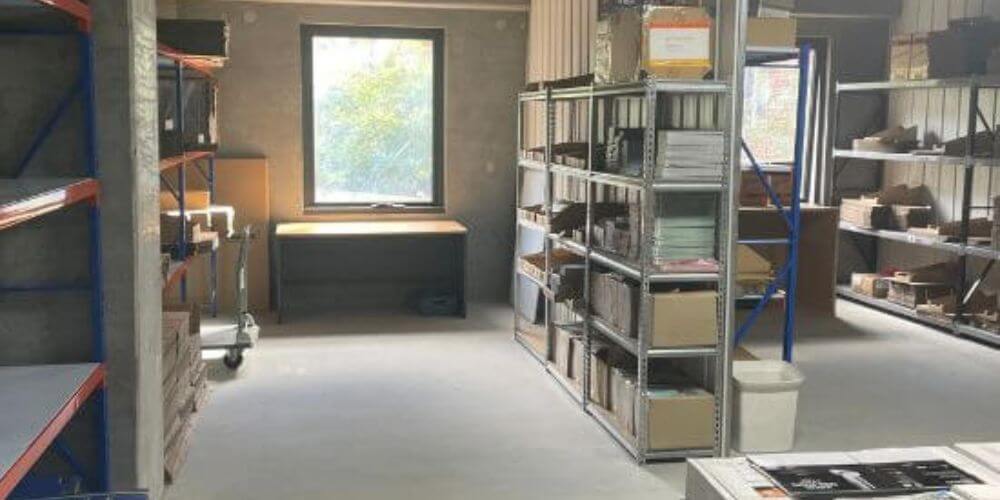
No one wants to have a storage unit that’s like the Bermuda Triangle. You don’t want things to get lost in a place where you’re supposed to easily find them! It’s time to put your Marie Kondo powers to the test and get your storage unit and storage boxes organised with these amazing tips!
- Mapping: Recreate a simple map that will help you get to your things quicker. You can draw a simple layout of your storage unit to divide it into sections or categories where you can place your already-labelled storage boxes. You can group the boxes according to room, use, or contents and place bigger labels in the section.
- Stack it like it’s Jenga: When it comes to storing boxes in a limited space, vertical storage is key to maximising every inch of your storage space. Place heavier boxes at the bottom to prevent the boxes from toppling over, and arrange them from the widest to narrowest. If you’ve got tables that aren’t unassembled, stack them top to top so you can avoid wasting space.
- Keep the important things up front: You might be storing stuff that you’ll occasionally need to take out of storage. This is why you need to keep such items near the entrance or at the front. Doing so saves you time digging through boxes and having to re-organise everything again.
- Make use of shelves: Even if your things are already stored in durable boxes, it’s even a better idea to have shelving in place so that your boxes’ weight won’t end up crushing the boxes and damaging your prized possessions inside.
- Consistency is key: Being consistent in the type of boxes, labelling, and organising will make your storage skills master-level in no time!
So, guys, remember: your storage unit doesn’t have to be a war zone. With a little planning, some vertical thinking, and a dash of labelling love, you can transform it into a haven of organised bliss. No more frantic searches, no more spelunking expeditions—just the satisfaction of knowing exactly where everything is, exactly when you need it. Trust me, your belongings will thank you for it with Marie Kondo silently cheering you on!
FAQ
Even if you’re pressed for time, it’s no excuse to pack your stuff effectively and efficiently. Here are some tips on packing when in a rush:
- Store packing supplies in a toolbox for easy access.
- Use coloured stickers to label boxes.
- Place clothes in vacuum-sealable bags.
- Label box contents on the side.
- Take a photo of each box and its contents before sealing.
- Use packing cubes.
- Cushion fragile items with soft items like towels.
We’ve all been there, struggling with how to pack weirdly-shaped items that won’t fit in the box. Here are some expert packaging tips you can use:
- Use vacuum-sealed space bags for soft yet bulky items.
- If you have hard items like vases or lamps, you can wrap them using bubble wrap or packing paper, then securely place them in a box with packing peanuts.
- When it comes to furniture, make sure to disassemble them prior to storage to save space.
- If you have sculptures to pack, you can create a custom cardboard box by standing your items upright and build a box around it using tape. Fill the gaps with packing material like bubble wrap or packing peanuts for reinforced protection.
While packing your things is one difficult thing, finding them is another challenge you have to overcome when using storage units. Smart labelling can help you avoid stressful and time-consuming item retrieval later on.
- Label everything.
- Use a numbering system and keep a list.
- Label all sides of your box.
- Use a colour-coding system.
- Keep a physical and digital master list of all your things.
