Shopify Storage in Melbourne: A Smarter Alternative to Warehousing
Reading Time: 6 minutes
Running a Shopify store is exciting until your stock starts taking over your home, garage, or office. We see this all the time. Orders increase, inventory builds up, and suddenly you are working around boxes instead of running your business.
At Storage Glen Iris, we work with Shopify sellers across Melbourne who need more space but are not ready to commit to a warehouse. Most are looking for something simple, flexible, and cost-effective that supports their growth without locking them into long-term overheads.
In This Article
Shopify Storage in Melbourne Without a Warehouse
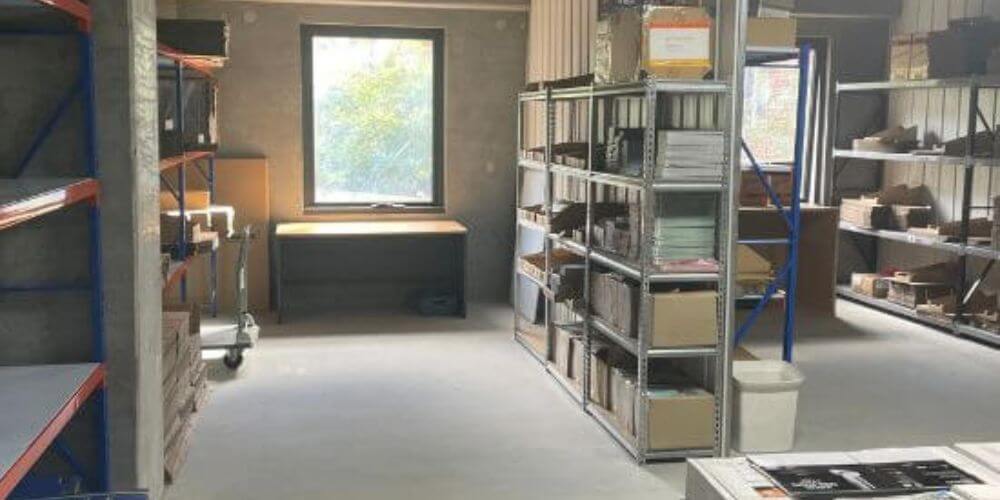
For most Shopify businesses, renting a warehouse too early creates more pressure than it solves. Large spaces, long leases, and higher costs do not always match the way online businesses grow.
Commercial storage offers a more practical option. You can store inventory, packaging materials, and stock overflow in a secure unit while keeping your operations flexible. Instead of paying for unused space, you choose a unit that fits your current needs and adjust as your business scales.
Many of our clients use our commercial storage solutions for businesses to create breathing room in their day-to-day operations without committing to a warehouse.
Why Warehousing Doesn’t Suit Most Shopify Businesses
Warehousing makes sense at a certain stage, but most Shopify sellers are not there yet.
From what we see, the biggest challenges with warehouses are:
- Larger minimum space than most businesses need
- Long-term lease commitments
- Higher ongoing costs
- Less flexibility when sales fluctuate
Ecommerce in Australia continues to grow, with more businesses starting online and scaling quickly. That growth often creates a gap between home storage and warehouse readiness. Storage fills that gap without forcing a major financial commitment.
How Shopify Businesses Use Storage to Manage Inventory
Shopify sellers use storage in a very practical way. It is not about replacing a warehouse. It is about making day-to-day operations easier.
We commonly see businesses use storage for:
- Holding bulk inventory that does not fit at home
- Storing packaging materials and supplies
- Managing seasonal stock increases
- Keeping workspace clear for packing and fulfilment
By separating storage from living or working space, businesses can stay organised and operate more efficiently.
Storage vs Warehouse for Shopify Sellers
When deciding between storage and a warehouse, it usually comes down to flexibility and cost.
| Feature | Storage Units | Warehouse |
| Space size | Scaled to your needs | Larger fixed spaces |
| Lease terms | Flexible | Long-term contracts |
| Cost | Lower and controlled | Higher ongoing costs |
| Flexibility | Easy to adjust | Limited once leased |
For most Shopify businesses, storage provides the right balance. It supports growth without forcing a long-term commitment too early.

When Shopify Businesses Move to Storage
Most Shopify sellers do not plan for storage early on. It usually becomes necessary once the business starts growing and space becomes harder to manage day to day.
When Space Starts Getting Out of Control
The first sign is usually physical space. Stock begins to spread across rooms, shelves fill up quickly, and packing orders becomes more difficult than it should be., keeping costs low and efficiency high.
When Orders Increase and Operations Slow Down
As order volume grows, the way you manage inventory starts to matter more. Without enough space, picking, packing, and organising stock takes longer and creates unnecessary friction in your workflow.
When Organisation Becomes a Problem
At a certain point, it is no longer just about space. It is about keeping inventory organised and easy to access. When stock is scattered, mistakes happen and time is lost trying to find items.
When Work and Personal Space Overlap
Many Shopify businesses start from home, but as the business grows, it becomes harder to separate work from personal space. Storage helps create that separation so the business can run more smoothly.
Storage usually becomes part of the setup once these issues start affecting how the business operates. It is no longer a temporary fix, but a practical step that supports growth without committing to a warehouse.
FAQ
Many Shopify businesses use commercial storage units to hold inventory, packaging, and overflow stock. It gives them space without committing to a warehouse.
In most cases, yes. Storage allows you to pay only for the space you need, without long-term leases or large upfront costs.
Yes. Most businesses start with a smaller unit and move into larger space as their inventory increases. This flexibility is one of the main reasons Shopify sellers choose storage.
Get Storage That Fits Your Shopify Business
If your Shopify business is growing but you are not ready for a warehouse, storage gives you a practical way to stay organised and keep moving forward.
At Storage Glen Iris, we help Melbourne businesses store inventory securely, free up space, and scale without unnecessary overheads. Speak with our team today or request a quote to find the right storage setup for your business.