

How do you store pallets in a warehouse?
Reading Time: 9 minutes and 39 seconds

Archie Richards
Table of Contents

When Michelle, a small business owner in Melbourne, first rented a warehouse space at Storage Glen Iris, it seemed like a perfect solution for her growing business. I remember our initial discussions; the space was more than enough at the time, the location was ideal, and the flexible terms made it a no-brainer for her to move forward. Everything started off smoothly, with plenty of room to organise and expand her inventory.
However, as Michelle’s business began to thrive, so did the amount of stock she needed to store. It wasn’t long before her once spacious and well-organised warehouse turned into a chaotic jungle of pallets. I could see the frustration building as her warehouse, which had started as a beacon of order, slowly became a maze of stacked boxes and forgotten corners. Michelle knew she needed to make some changes, and that’s when she reached out to me for help.
Standing in the middle of Michelle’s cluttered warehouse, it was clear that we needed to rethink her storage approach. It wasn’t just about finding more space but making better use of what she already had. So, how do you store pallets in a warehouse efficiently? Let’s dive into some strategies that can transform a chaotic space into an organised one.
Are you struggling with warehouse space and efficiency?
When Michelle reached out, she was clearly overwhelmed. Her ecommerce warehouse at Storage Glen Iris was no longer supporting her business—it was holding it back. I knew I needed to get on-site to see what was really going on.
What are the warning signs of ineffective warehouse storage?
As we walked through her warehouse, the issues were immediately apparent. Pallets were stacked in a chaotic manner, the racking systems were underutilised, and the layout made it difficult to access anything quickly. Michelle’s concerns were spot on—she was dealing with constant delays, safety hazards, and a space that simply wasn’t working for her. It was clear that her current approach to storage was failing, and it was time to implement a more effective strategy.
How do you create a storage solution that works?
When Michelle reached out to me, I knew the first step was to truly understand her business. What kind of products was she storing? How many pallets were moving in and out? And how did her team operate on a daily basis? These were the questions I needed to answer to craft a solution that fit her needs perfectly.
Is selective racking the right choice for your warehouse?
After getting to know the specifics of Michelle’s inventory, it was clear that selective racking would be the ideal starting point. This system would allow her to access any pallet without disturbing the others, perfect for the variety and volume of products she was dealing with. Once we installed the racking, the difference was immediate. Suddenly, everything had its place, and finding a specific item became quick and hassle-free.
What are the benefits of selective racking?
- Easy access to individual pallets
- Efficient use of space
- Improved organisation and workflow
- Enhanced safety and reduced clutter
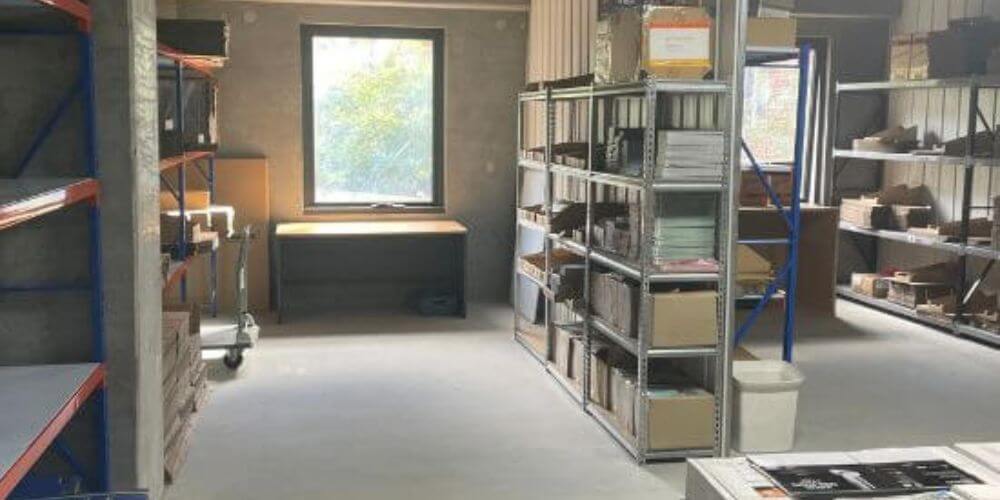
What happens when your warehouse can’t keep up with growth?
Michelle’s inventory was growing faster than her warehouse could handle. I had already made some great improvements, but as the business continued to expand, it became clear that her current setup wasn’t enough. The question was, how could I keep up with this growth without needing more physical space?
Can drive-in racks revolutionise your bulk storage?
The answer came in the form of Drive-In Racks. By utilising these racks, we could significantly increase the height and depth of her storage capacity, making the most out of every square metre. I integrated the Drive-In Racks seamlessly into her current layout, and the impact was immediate—Michelle’s warehouse felt more spacious, and her team had an easier time accessing bulk items. The before-and-after comparison was striking, with a clear boost in storage capacity and efficiency.
| Aspect | Old Setup | New Setup |
| Initial Setup | Basic selective racking with limited height utilisation | Drive-in racks that utilise full warehouse height and depth |
| Space Efficiency | Limited bulk storage with poor space utilisation | Significant improvement in bulk storage and overall organisation |
What are the key steps to optimising warehouse layout?
With the new racking systems in place, it was time to focus on the bigger picture—optimising the overall warehouse layout. Michelle and I knew that creating a smoother workflow wasn’t just about adding more storage; it was about making sure every square metre was working as efficiently as possible.
- Set clear goals
- Analyse your current layout
- Map your workflow
- Maximise your storage
- Create clear aisles
- Implement safety
- Label and organise
- Train your staff
- Monitor regularly
Use automation
How can you improve aisle organisation for better traffic flow?
We began by setting specific goals for the optimisation process, focusing on improving workflow efficiency, increasing storage capacity, and enhancing safety. A detailed analysis of the current layout allowed us to identify bottlenecks and areas for improvement.
We then mapped out the workflow to ensure smooth movement of goods from receiving to shipping. To maximise space, we utilised vertical storage solutions with adjustable racking and implemented high-density storage options. Clear and wide aisles were created to facilitate easy movement of personnel and equipment, reducing the risk of accidents.
Safety protocols were a priority, so we added collision protection, clear signage, and routine inspections. We also focused on labelling and organising inventory to improve accessibility and reduce search times. The workforce was trained on the new layout, and a system for regular monitoring and maintenance was put in place to keep the warehouse in optimal condition. Where possible, we considered the integration of automation technologies to further streamline operations.
What are the essential dos and don’ts of pallet storage?
To help Michelle’s team get the most out of their new setup, I provided a clear list of do’s and don’ts tailored specifically to their warehouse at Storage Glen Iris. We covered everything from keeping pallets dry to ensuring they were stacked on level surfaces. I also stressed the importance of regular inspections, rotating pallets, and elevating them off the ground to prevent damage. Just as important were the don’ts, like avoiding extreme weather exposure, not overloading pallets, and never using damaged ones. These guidelines were essential in maintaining the integrity of their storage system and ensuring the safety of everyone involved.
| Equipment | Function |
| Pallet Jacks | Options for moving pallets around the warehouse, either manually or with electric tools. |
| Forklifts | Different types of forklifts for lifting and moving pallets, like standard, reach, and walk-behind forklifts. |
| Pallet Racking Systems | Storage solutions like different types of racks for storing pallets. |
| Pallet Inverters | Turning or flipping entire pallets to switch loads or move products. |
| Pallet Scales | Weighing pallets to make sure they aren’t too heavy and to help manage inventory. |
| Wrapping Tools | Wrapping pallets securely for transport and storage using machines or handheld tools. |
| Labeling and Barcoding Equipment | Using barcodes or labels to track where pallets are and manage inventory. |
| Safety Equipment | Safety gear and tools like pallet stops and guards to keep pallet handling safe. |
| Automation Tools | Automated systems like robots and conveyors to move pallets and improve workflow. |
I also took the time to advise them on the best equipment for loading and unloading pallets, making sure they had the right tools to keep operations running smoothly. A simple guide comparing different equipment options helped Michelle choose the best fit for her needs.

Are you stacking your pallets safely?
When it comes to stacking pallets, one of the first questions that came up was, “How high should we stack?” It’s a crucial consideration because stacking too high can be a safety hazard. I explained to Michelle that if her team is stacking manually, the height should be capped at 16 feet to ensure stability. However, when using equipment like forklifts, they can safely stack up to 20 feet, as long as the stacks are stable and secure. We also made sure to review our warehouse’s specific guidelines to prevent any accidents.
Should you wrap your pallets in the racks?
Another question Michelle raised was about the need to wrap pallets while they’re in the racking. I explained that wrapping can greatly enhance stability and protect the goods from dust and moisture, which is particularly important during transit or long-term storage. However, we also discussed scenarios where wrapping might not be necessary, such as when pallets are stored temporarily or when the items are low-risk. By weighing the pros and cons, we tailored the approach to her specific needs, ensuring that each pallet was handled appropriately.
What are the safety regulations in Victoria when it comes to pallet storage?
As we continued refining Michelle’s warehouse setup, it was crucial to ensure that everything we implemented met the safety regulations required in Victoria. Safety isn’t just an afterthought—it’s a fundamental part of efficient warehouse management, and it’s important to get it right from the start.
How can you ensure compliance with pallet storage standards?
In Victoria, pallet racking has to follow the Australian Standard AS 4084.2:2023, which basically means your racking needs to fit the products you’re storing. It also needs to work well with your pallets and handling equipment. We made sure to add collision protection, like upright protectors and end-of-rack guards, to prevent accidents. And for single row racking, rear protection is key to keeping things from falling out.
We also went over safe loading and unloading practices. It’s not just about moving pallets—using the right equipment and keeping everything at a safe height can make a big difference in preventing injuries. Plus, keeping your pallet stacks straight and ensuring they don’t block fire sprinklers is a must.
By sticking to these guidelines, you’re not only staying compliant but also keeping your team safe and your operations running smoothly. For more on these safety standards, check out the WorkSafe Victoria website.
FAQ
Storing pallets on their sides is a big no-no. It’s a recipe for trouble, making them wobbly and more likely to take a tumble. For everyone’s safety (and your peace of mind), always keep those pallets flat on the ground. It’ll help them stay in good shape and avoid any potential headaches later on.
Moving pallets in a warehouse is pretty straightforward, especially if you have the right equipment on hand! You’ve got a few options, depending on what gear you have. A pallet jack is a common choice – if it’s manual, you just slide the forks under, pump it up, and push or pull it where you need. Electric ones work the same way but are powered, which is great for heavier loads. If you’re using a forklift, make sure the load is centred on the forks, lift it just a bit off the ground, and drive carefully to the new spot. Always face where you’re going and keep an eye out for obstacles. For bigger warehouses, conveyor belts can be handy – they move pallets along set paths without much fuss. Whatever method you choose, the main thing is to keep safety in mind while you’re shifting those pallets around.
Absolutely!
You can store empty pallets in your warehouse, but it’s important to keep a few things in mind to ensure everything stays safe and organised. First, when stacking your pallets, make sure to group like-sized ones together to keep the stacks even and stable. It’s also a good idea not to stack them higher than 15 feet to avoid any potential hazards. As for where to store them, try to keep your pallets away from flammable materials and ensure they aren’t blocking any fire sprinklers. If you have the option, using stacking frames or racks can really help improve stability and free up some floor space. Lastly, don’t forget to regularly inspect your pallets for any damage—getting rid of any broken or unsafe ones will help maintain a safe environment for everyone.
