
Goodbye, Guilt! The Unexpected Healing Power of Decluttering Your Storage Unit

Archie Richards
Table of Contents

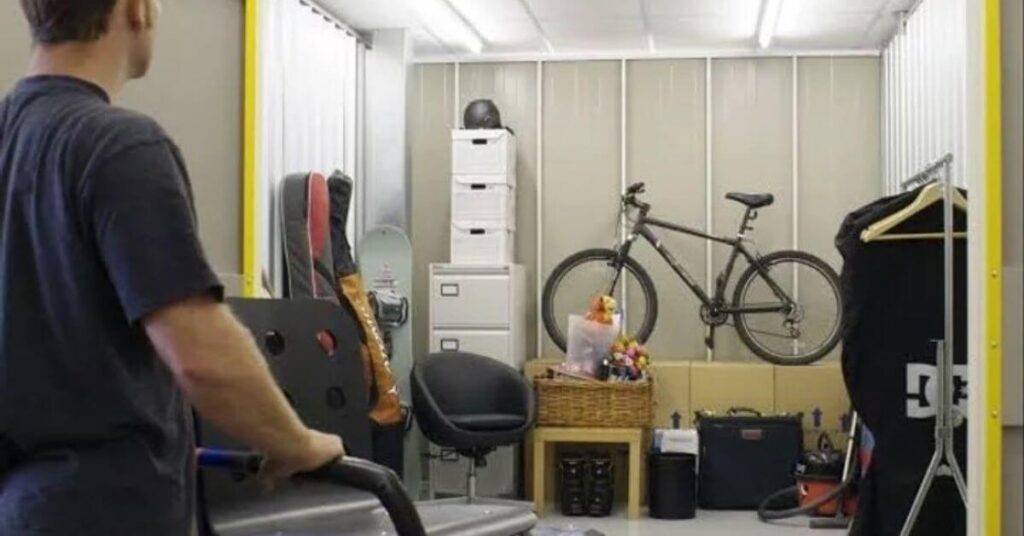
I took a deep breath as I slid open the storage unit door, bracing myself for the wave of guilt I knew was coming. Cardboard boxes, bins of forgotten belongings, and large plastic bags that were remnants of another life. The sight and smell hit me hard, bringing me back to reality. How did I let the mess get this bad?
We all collect emotional clutter throughout our lives that gets shoved into boxes and quickly tucked away. Out of sight, out of mind. But, although we don’t see the mess, we carry around the weight of regret and guilt every day. However, by going through your clutter, there is a huge opportunity to heal your inner self and find closure. As I began sifting through the things inside my storage unit that day, I uncovered more than just old books and knickknacks; I found personal growth, acceptance, and even transformation. By unpacking the physical clutter and removing the emotional baggage I’ve been carrying for a long time, I felt an unexpected wave of relief and peace.
Who would ever think that decluttering your space, room, or storage unit could be an empowering act that could heal? But each dusty box, each piece of item, and plastic bags hold the key to letting go of the guilt, processing the past, and moving forward with a lighter heart and mind. Join me as we explore the unexpected emotional healing power of decluttering your storage unit.
The Psychology of Cluttered Storage Units
We’ve all been there, staring at boxes and boxes of old clothes, photos, memorabilia, and even childhood toys that have been forgotten for decades. You sigh at the amount of mess you need to clean up, but you can’t find the courage to part ways with them. These aren’t just simple pieces of clutter. These sentimental items had become emotional clutter, imbued with memories that have become too difficult to face. Clutter? Emotional clutter?
How do you define clutter?
Clutter can be comprised of various objects, including unused personal belongings, outdated equipment, and sentimental keepsakes. This can have a negative impact on a person and a space’s functionality and aesthetics, resulting in a chaotic and disorganised environment.
How are storage unit clutter and mental health related?
Ever feel like your messy home and storage unit reflect a messy life? You’re not alone. A 2016 study by Catherine Roster and colleagues explored how clutter can dampen our sense of home and, surprisingly, our overall well-being. The study suggests that the home is more than just a physical structure for many people. It reflects who we are and is a space where we feel safe and comfortable. When that space is cluttered, it becomes difficult to navigate, enjoy, and connect with. Imagine relaxing in a living room buried under piles of papers and unused gadgets. Not exactly the recipe for tranquilly and peace of mind!
The study explored this connection by analysing the experiences of nearly 1,500 adults who reported mild to moderate clutter issues. They examined how clutter affected their home attachment, sense of self, and psychological comfort. The results were clear: clutter was associated with lower levels of all three factors, ultimately leading to decreased well-being. In conclusion, the study highlights the hidden costs of clutter. While it might seem harmless on the surface, excessive clutter can create a dysfunctional environment that traps us in feelings of stress, displacement, and even alienation. This suggests that decluttering a storage unit isn’t just about aesthetics; it’s about reclaiming control of our environment and boosting our overall happiness. And this doesn’t just apply to our places of abode, but to storage units as well.
In the US, a survey done by SpareFoot in 2015 states that 47% of Americans have emotional attachments to their belongings, and 30% recognise that they have more stuff than they need. If you look at these numbers, it’s highly possible that a lot of the items stored in self-storage units are not just physical, but emotional clutter—objects that have attached memories or psychological meanings. It could be photos, handmade gifts, family heirlooms, childhood toys, or even old clothes that carry a weight of nostalgia, grief, or other emotions that we fail to process. Despite the alarming numbers, we continue piling up emotional baggage and clutter in our storage units to avoid dealing with it face-on.
Common Emotions Associated with Messy Storage Units
Your storage unit can become a repository of forgotten belongings, especially when they are intentionally forgotten. You can think of it as Pandora’s box of emotions, waiting to be cracked open. I, for one, know what it’s like and have been there. I remember having a storage unit that became home to unfinished projects, memorabilia of childhood wins and losses, tidbits of my younger years, and decades-long family history. Every time I attempted to open and organise my storage unit, I was always overcome with feelings of guilt, shame, and anxiety—emotions that are fairly common when you are dealing with a cluttered storage unit.
Guilt Nested Among the Clutter
I know you can relate to me when I feel guilty upon seeing unused gym equipment gathering dust in storage. It’s not just gym equipment; it could be a forgotten electric drawing pad that you used only twice or that juicer you bought 5 years ago because you planned on switching to a healthier lifestyle. Seeing these items made me feel like I wasted a lot of money on things that I rarely even used, or made me feel guilty or like a failure that I wasn’t able to reach a goal that I’d set for myself.
Shame Creeping in the Corners
As I pored over years of accumulated memorabilia, strange keepsakes, and items I couldn’t bear to discard, I felt a wave of embarrassment—what would others think if they saw this overflowing mess? Society can instill impossible and too-perfect ideals of orderliness that our storage spaces never seem to reflect. Studies show that having messy, disorganised storage units can lead to painful self-criticism and anxiety over others’ perceived judgement. Working to overcome the underlying shame involved in decluttering is crucial. I’ve realised my storage unit chaos didn’t mean personal failure but rather reflected a universal inner struggle.
Anxiety Buzzing Below the Surface
The sheer volume of stuff overwhelmed me. Sorting through it felt like scaling Mount Everest, each item a potential avalanche of decisions. Keep? Toss? Donate? The uncertainty gnawed at me, the fear of making the wrong choice amplifying the buzzing in my ears. And then there were the memories. The faded tuxedo from a school dance, the chipped childhood toys—each held a fragment of a past life, a life I wasn’t sure I was ready to let go of. I was stuck with physical and emotional clutter, and I didn’t know what to do.
While stacks of papers and overflowing drawers readily come to mind when we think of clutter, psychologist Pallavi Barnwal reminds us that the clutter can extend far beyond the physical plane. “Different kinds of clutter have different emotional messages,” adds expert Manchekar, highlighting the significance of what this clutter might represent. Manchekar elegantly illustrates this point with a poignant example: “Holding onto things that evoke bad memories signifies difficulty letting go, a lingering attachment to the past.” This insightful perspective sheds light on how neglecting to declutter can negatively impact our mental well-being, potentially fostering feelings of depression, anxiety, stress, and even confusion.
Barnwal, drawing upon her professional experience, further emphasises the impact of internal clutter, particularly for women often bombarded with endless to-do lists. She aptly observes, “Mental clutter can be as stressful, if not more, than physical clutter, weighing heavily on the mind and spirit.”
How to Remove Clutter From Your Storage Unit and Life
That dusty storage unit overflowing with forgotten dreams and mismatched memories isn’t just a physical space; it’s a reflection of the clutter that can accumulate in our lives. Like many facing a cluttered storage unit or living space, simply getting started feels overwhelming and vulnerable. This is exactly what I felt, and I finally decided that I’d had enough of all the mess! But taking small, consistent steps to tackle the physical and emotional clutter can profoundly improve mental health and daily life.
- Dedicate time: Decluttering isn’t a one-day marathon; it’s a manageable sprint. Break it down into bite-sized chunks. You can set aside 30 minutes (even per day) to a specific area, invite a supportive friend for company (and moral support!), and set clear goals for each session. Remember, progress, not perfection, is the key.
- Segregate and conquer: Create four piles: “Keep,” “Donate,” “Toss,” and the ever-present “Maybe.” Start with the items that are the easiest to let go of, maybe broken objects or clothes that are already unwearable. Having a “donate” pile will make you feel good about giving things that are in good condition a chance at a new lease of life with a new owner. If you think that some items still have significant monetary value, consider selling them as second-hand items through your neighbourhood buy-and-sell or any local online selling platform, just like what I did with my 2nd generation iPod! Research local charities that align with your values, making your decluttering a meaningful act of giving.
- Master the art of organising: Think about how you use your space. Frequently used items deserve prime real estate, while seasonal clothes can hibernate in a distant corner. Organisational expert Marie Kondo suggests always positioning our most loved and used items in optimal spots: cookbooks in the kitchen, knitting supplies by the armchair, and instrument stands in the living room. This ensures engagement with beloved hobbies rather than relegating them to forgotten corners of closets. Clear surfaces to create visual breathing room. Invest in practical storage solutions, but remember, the goal is to organise, not create another layer of clutter.
- Be consistent: The key to restoring order is maintaining consistency over time, regularly reassessing how much clutter you have, and acting upon it using different organising methods, like the twice-yearly declutters advocated by organisational guru Marie Kondo.
- Declutter your mental space: The benefits of decluttering extend beyond your storage unit. Easy ways to do this are to simplify your schedules, prioritise activities that give you peace, and say no to those that drain your energy. Embrace minimal life in the digital world. Clean your inboxes and contact lists, or delete unnecessary apps that add to the clutter. Practice gratitude and contentment. Comparison and greed can breed discontent and be the source of unneeded stress!
- Knowledge is power: Honestly, I never thought of organising and decluttering as an art or even as a science. So, you can imagine my surprise when I visited the bookstore and saw hundreds of self-help books and checked the internet to see an unlimited source of podcasts, blogs, and videos dedicated to helping you clear your mind and remove clutter from spaces like your storage unit. Learning goes a long way!
- Seek support when overwhelmed: Asking for help during decluttering isn’t just acceptable; it’s a win-win. Fresh eyes, objective perspectives, and emotional support make the process smoother. Teamwork boosts efficiency, accountability keeps you on track, and shared ideas and memories turn it into a positive social experience. After a few failed attempts at organising and decluttering my mess mountain in the storage unit, I waved the white flag and surrendered to the organising experts. Calling them was life-changing! If you think you need professional help, don’t be ashamed to ask for it.
- Be kind to yourself: Decluttering can stir up emotions, so treat yourself with compassion. Celebrate small victories and forgive yourself for setbacks. Remember, this is a journey, not a race!
In closing, decluttering a chaotic storage unit can catalyse profound mental and emotional clarity. As we slowly face our greatest fears, process emotions, and remove the physical clutter from our lives, we create new spaces for personal growth and gain a new sense of clarity to start over.
At Storage Glen Iris, we understand the therapeutic power of decluttering. Our self-storage units near Melbourne provide the ideal transitional environment to sort emotions from practical belongings, retain what sparks joy, and thoughtfully rehome the rest. We offer flexible month-to-month leases and a range of temp storage and long-term storage unit sizes to support your decluttering journey. With compassionate staff and state-of-the-art security features, we encourage you to embark on your decluttering journey with peace of mind. Our ultimate goal is to assist customers in creating clean slates and fresh starts. Contact us today to discuss your storage and decluttering needs. We’re here to help!
FAQ
Don’t feel bad or guilty that you’re feeling these emotions when you declutter your things. Yes, it’s entirely normal to experience a range of emotions when parting with sentimental belongings during storage unit decluttering. The attachment to personal items often invokes feelings of nostalgia, sadness, or even anger. This emotional response is a common part of the decluttering process and is indicative of the significance these items hold. Acknowledging and understanding these emotions is a crucial step towards a more therapeutic decluttering experience.
If you’re a sentimental person like I am, it’s never easy to let go of things that hold very high emotional and sentimental value. When facing the need to let go of sentimental items, consider these creative ways to honour their value in your life:
Photographic Memories: Capture high-quality photos of the items to create a digital album, preserving the memories without taking up physical space.
Upcycling Projects: Transform them into practical or decorative pieces. For example, repurpose old clothing into a quilt or turn vintage items into unique home decor.
Memory Jar: Write down the memories associated with each item on small notes and place them in a memory jar. This way, you can revisit and cherish the memories whenever you like.
Donate with Purpose: Contribute to a cause that aligns with the item’s significance. Knowing that your cherished items are making a positive impact can provide a sense of fulfilment, so you can let go with ease.
Create a Legacy Project: Develop a creative project, such as a family history scrapbook or a storytelling podcast, ensuring the memories are shared, celebrated, and kept alive in your little way.
The timeframe to experience emotional benefits from storage unit decluttering varies for each individual. Some may feel immediate relief and a sense of accomplishment, while others may take more time to adjust. Generally, within a few weeks to a month after the decluttering process, many individuals report feeling lighter, more organised, and experiencing a reduction in emotional burden. However, it’s essential to recognise that the emotional impact is subjective and depends on factors like the extent of decluttering, personal attachment to items, and overall emotional resilience.
Here are some tips to make decluttering easier:
- Start with the small stuff.
- Create a decluttering system and schedule.
- Invite a friend or a professional organiser to help you unload your things.
- Be realistic about what you can and can’t keep.
