

Cut Costs, Boost Growth: Tailored Warehouse Storage Solutions for Small Business Success
Table of Contents
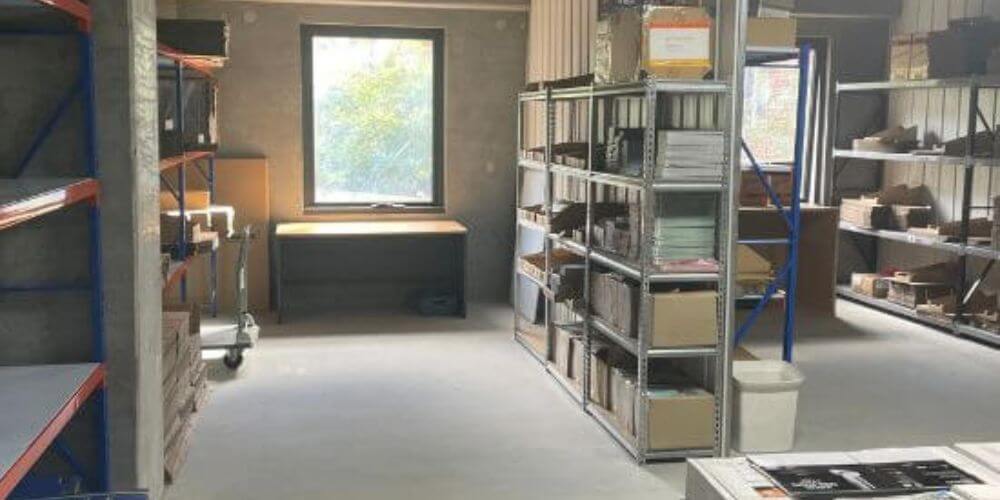
When I first met Winona, the owner of a small sweets shop, she was nearly in tears amid the clutter of her tiny shop. “I can’t find anything in this mess,” she despaired, shuffling boxes and bins stuffed haphazardly on overflowing shelves. She had no system to track inventory, leading to wasted ingredients and lost profits. Productivity was plummeting as she and her staff wasted hours searching for items. She feared that if the chaos continued, it could force her to go out of business.
Her situation is all too common for small business owners focused more on their offerings than storage solutions. However, efficient warehouse organisation is critical for growth and sustainability. Implementing customised storage systems tailored to a company’s specific inventory and operations can yield transformative results. With improved productivity, significant cost savings, reduced waste, and better inventory oversight, the right storage plan liberates entrepreneurs to do what they do best—profitably grow their business.
This article will explore how warehouse storage solutions are available to small business owners overwhelmed by inventory management. Drawing on examples from thriving companies of all types, we outline simple, cost-effective strategies to cut clutter and boost efficiency. With creative storage hacks and optimisation advice, we aim to help entrepreneurs reclaim their warehouses, time, and path to success.
The Crucial Role of Efficient Storage for Small Businesses
As a storage facility owner and storage solution consultant for over a decade, I’ve witnessed countless small businesses transform their operations and skyrocket their growth, all thanks to efficient storage. It’s the backbone that supports various aspects of business functionality, from quicker order fulfilment to enhanced space utilisation and reduced labour costs. It’s no secret that warehouse optimisation for small businesses is crucial for success, impacting various aspects from inventory management best practices to warehouse storage efficiency and growth. I’ll delve into why strategies like ‘warehouse optimisation for small businesses’ and ‘inventory management best practices’ aren’t just buzzwords but essential tools for growth and sustainability.
The Impact of Efficiency: From Faster Orders to Happy Customers
Imagine a customer placing an order, only to be delayed due to disorganised inventory. Not ideal, right? Efficient storage, through techniques like warehouse optimisation for small businesses, eliminates this frustration. Products are readily accessible, meaning orders are fulfilled faster, leading to happier customers and a positive impact on growth.
I recall a local bakery flourishing after implementing inventory management best practices. They utilised vertical shelving and streamlined their picking routes, slashing order fulfilment times by 25%. This efficiency boosts customer satisfaction, loyalty, and, crucially, business referrals. It’s not just about keeping things in order; it’s about nurturing a seamless flow that resonates with customer expectations.
Beyond Speed: Space Savings and Cost Reduction
Space is precious for small businesses. Efficient storage solutions, like self-storage, allow you to maximise every square foot. This translates to reduced rent and utility costs, a major concern for many small businesses. Remember, every dollar saved can be reinvested in marketing, expansion, or simply keeping your doors open.
One of my clients, a clothing boutique, was struggling with rising rent in their prime location. Utilising a nearby, secure self-storage unit for seasonal items freed up valuable retail space, allowing them to showcase more merchandise and attract more customers. This strategic move saved them thousands in rent while boosting their sales potential.
Reducing Labour Costs: The Unseen Benefits
The domino effect of efficient storage extends to your workforce. By implementing automated storage systems, the need for manual sorting and handling is drastically reduced. This automation not only minimises the risk of human error but also refocuses workforce efforts on more strategic, revenue-generating activities. I remember a small e-commerce business that halved its warehouse staff’s workload by adopting an automated storage system, thereby reducing errors and enhancing overall productivity. Another client, a local craft brewery, automated their inventory management, cutting labour costs by 20% and allowing them to hire a new marketing specialist.
Investing in efficient storage is an investment in your business’s future. By following these tips and seeking expert guidance, you can unlock the potential for growth, profitability, and happy customers. Remember, efficient storage isn’t just about boxes; it’s about unlocking your business’s potential.

According to IBIS world, valued at nearly $10 billion in 2022, Australia’s warehousing and cold storage industry shows promising growth on the horizon. Analysts predict the market will expand at an average annual rate of 2.4% over the next five years.
Key Strategies to Optimise Your Warehouse: Unlock Hidden Profits and Growth
I’ve seen countless small businesses achieve remarkable results by optimising their warehouses. This often goes beyond just finding “more space”; it’s about squeezing every ounce of potential from the space you already have. Cluttered aisles, wasted space, and disorganised inventory lead to lost time, frustrated customers, and, ultimately, lost profits. Remember that struggling bakery struggling with overflowing inventory? Cramped aisles meant slow production and unhappy customers. We implemented vertical storage racks and pallet racking systems and zoned the space based on product type. Boom! Their storage footprint shrank by 30%, freeing up valuable floor space for production expansion and customer seating, leading to a 25% increase in sales within a year. Implementing key optimisation strategies can transform your warehouse into a well-oiled machine, propelling your business forward. Let’s dive into some actionable tips:
Space Utilisation Techniques
- Vertical Storage and Pallet Racking Systems: One of the most effective ways to maximise space is by going vertical. Utilising pallet racking systems can significantly enhance your storage capacity. I remember one of my clients, Jeremy, a small electronics repair shop owner, having his current cramped warehouse limit his inventory capacity, tool storage and hinder growth. By implementing pallet racking systems and utilising vertical space with mezzanines, he doubled his storage capacity without expanding his footprint. This allowed him to stock more products, attract new customers, and increase revenue by 25% in just 6 months!
- Zoning: Properly zoning your warehouse can streamline processes. Segment your space based on product type, frequency of access, or any other relevant criteria. This approach not only saves space but also reduces the time spent picking and moving inventory. I once helped a bookstore owner who was struggling to keep his store organised. His books were piled high and scattered everywhere, making it difficult for customers to find what they were looking for. I suggested that he zone his store by genre, which would make it much easier for customers to navigate. The bookstore owner was hesitant at first, but he eventually agreed to give it a try.
Cost-effective Storage Solutions
- Used Equipment: You don’t always need brand-new equipment. I’ve seen businesses thrive by opting for used racking systems and shelving, which can be just as effective at a fraction of the cost.
- Shared Warehousing and On-Demand Storage: These options are ideal for businesses with fluctuating inventory. Sharing space or using on-demand storage can significantly cut down on your expenses. Remember, storage flexibility can be a key cost-saving strategy. In my experience, a client hesitant about new storage solutions opted for used pallet racking. The initial cost savings allowed them to invest in inventory management software, ultimately saving them 20% on annual inventory carrying costs. Remember, the most efficient solution isn’t always the most expensive; think smart, not big.
Beyond Space: Embrace Technology and Efficiency
- Warehouse Management Systems (WMS): Invest in a cloud-based WMS to automate inventory tracking, optimise picking routes, and minimise errors. This can save you time, money, and headaches, just like it did for our client’s thriving bookstore.
- Lean Principles and 5S Methodology: Implementing lean principles helps eliminate waste and optimise workflow. The 5S methodology (sort, set in order, shine, standardise, and sustain) has been a game-changer in many warehouses I’ve consulted for, creating more organised and efficient workstations.
- Cross-docking: This technique reduces handling and storage costs by transferring goods directly from inbound to outbound vehicles. It’s a strategy that requires coordination but offers significant efficiency improvements. A struggling toy distributor was drowning in storage costs. We introduced cross-docking, directly transferring toys from incoming trucks to outgoing ones. Less storage, faster deliveries, and happy customers—a win-win for everyone!
Balancing Budget and Efficiency: Cost-Effective Storage Practices
I’ve seen so many small businesses struggle with the delicate balance between cost-effective storage and efficient operations. But here’s the good news: achieving both is absolutely possible! Below, I share insights and personal experiences on adopting cost-effective storage practices that don’t compromise efficiency.
- Knowing your needs is key. The first step towards cost-effective storage is a thorough analysis of your storage needs. Understanding what you store, how often you access it, and the cost implications can uncover opportunities for savings. As a storage expert, I recall working with a local retailer who, through a detailed analysis, realised they were paying for storage space they didn’t need.
- Negotiate Like a Pro: Don’t underestimate the power of negotiation! You can politely negotiate your contract, secure a discount, and have flexible payment options that can free up your cash flow for other things. \
- Utilising Off-Peak Hours: A Smart Move Many storage facilities offer discounted rates for after-hours access. Take advantage of these opportunities to save while minimising disruption to your regular operations by avoiding the daytime rush.
- Monitor and Keep Track Regularly: Regularly monitor your storage usage and costs. Use analytics tools to identify areas for improvement and implement adjustments. Just like Sheila, a clothing boutique owner who identified underutilised space by analysing her seasonal inventory patterns, you can continuously tweak your storage approach to maximise cost savings.
FAQ
At Storage Glen Iris, we prioritise a safe and secure environment for both our staff and clients, offering self-storage, commercial storage, and commercial spaces for lease specifically for Melbourne businesses. But beyond our facility, ensuring safety extends to your own warehouse as well.
Navigating the maze of work health and safety (WHS) regulations can feel overwhelming for small business owners. But fear not! Here’s a breakdown of the essential safety regulations and protocols:
- Hazard Communication: Inform workers about potential hazards with a written program.
- Emergency Action Plan: Outline evacuation procedures and assembly points for emergencies.
- Fire Safety: Implement a plan with extinguishers, sprinklers, and alarms.
- Emergency Exits: Ensure at least two well-marked and accessible exits.
- Fall Protection: Use guardrails, nets, or harnesses for work at heights.
- Personal Protective Equipment (PPE): Provide gloves, goggles, helmets, and boots for specific tasks.
Medical and First Aid: Have supplies readily available and consider first-aid training for staff.
Choosing the right warehouse storage can make or break your business’s efficiency. Here’s what to avoid:
- Blind buying: Don’t rush! Analyse your actual storage needs (think product size and turnover) before picking a solution.
- Price is King (Sometimes): Negotiate contracts! Storage providers often offer flexible pricing and deals; don’t be afraid to ask.
- Peak Performance: Utilise off-peak hours for non-urgent tasks like restocking. Save money and avoid peak-time congestion.
- Optimise & Conquer: Embrace smart storage tech like compression to maximise space and efficiency. Every square foot counts!
- Keep an Eye on Costs: Regularly monitor usage and costs. Identify underutilised space or unnecessary expenses to streamline your budget.
As small business owners, optimising warehouse space is crucial for improving efficiency and saving costs. The question of whether to invest in additional equipment for optimisation has a nuanced answer: it depends on your current setup and specific needs. Here at Storage Glen Iris, we understand the challenges Melbourne businesses face in managing warehouse space effectively. Let’s explore the options and considerations.
- Analyse: Map your current layout, storage system, and inventory characteristics. What’s causing space constraints?
- Consider alternatives: Can you optimise without equipment? Think layout improvements, technology, inventory management, or lean principles.
- Equipment Options: If needed, explore: vertical racking, mezzanines, narrow aisle racking, self-storage facilities, etc.
Outsourcing part of your storage to a third-party provider like Storage Glen Iris can be a flexible and secure option. We offer self-storage, commercial storage, and commercial spaces for lease tailored to the needs of Melbourne businesses. This option requires minimal investment in equipment and can be a cost-effective solution for managing seasonal inventory or overflow.
